
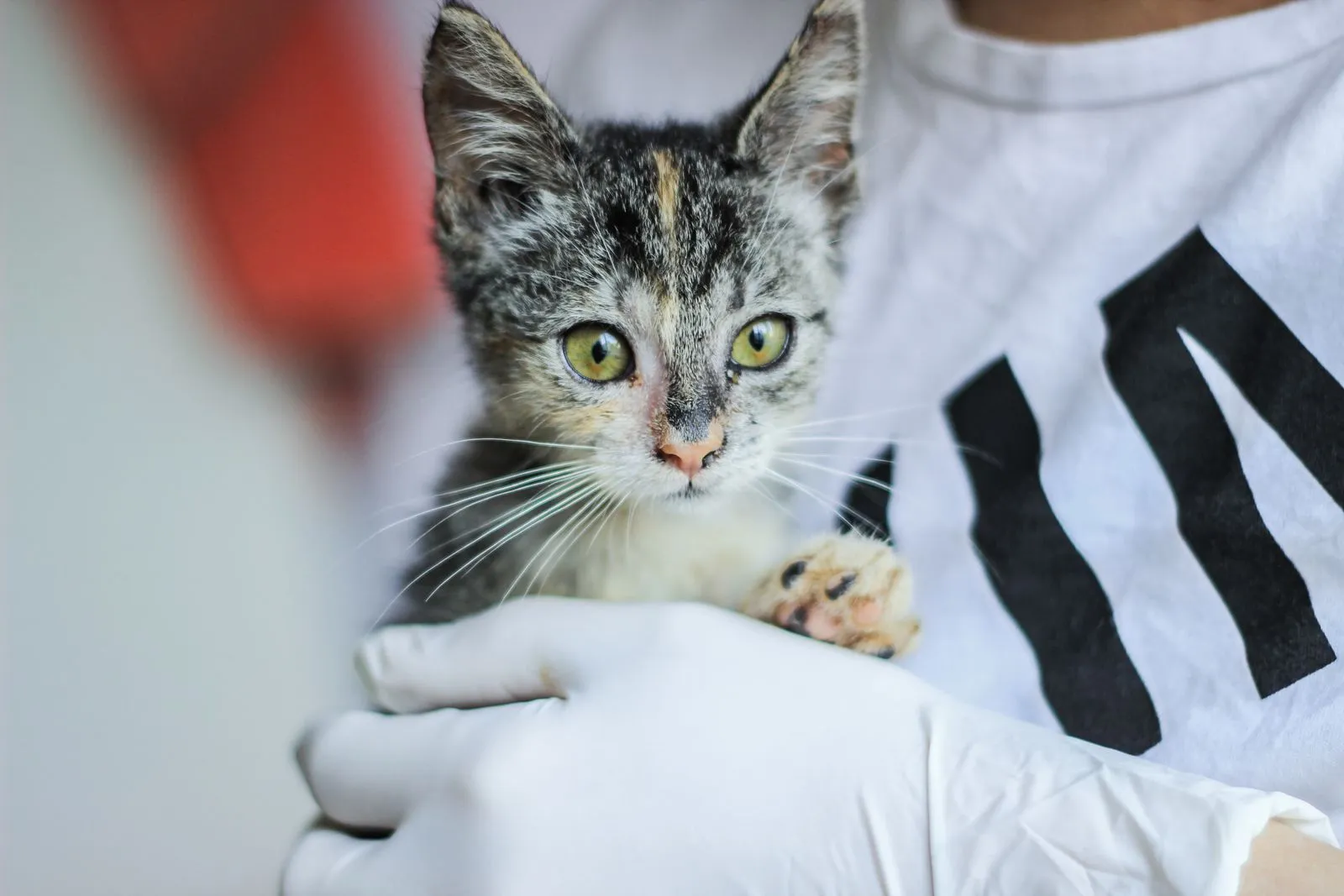
A routine wellness checkup gives your veterinarian a chance to assess your cat’s health and spot changes that may be easy to miss at home. The visit usually includes a conversation about your cat’s habits and a hands-on examination, with recommendations tailored to age, lifestyle, and medical history. Knowing what to expect can make the appointment less stressful and help you share useful details. Here are common parts of the exam and questions worth bringing along.
Start with your cat’s history
Your veterinarian may ask about appetite, thirst, urination, bowel movements, activity, grooming, and behavior. Small changes can matter, so mention anything new, such as hiding more often, vocalizing at night, or avoiding a favorite jump. Bring a list of medications and supplements, plus notes about when you first noticed any concerns.
It also helps to discuss your cat’s food, treats, indoor or outdoor access, and contact with other animals. These details can guide advice on nutrition, preventive care, and potential risks. If your cat becomes anxious during travel or handling, tell the clinic in advance so the team can plan a calmer visit.
Weight and body condition
The team will usually weigh your cat and compare the result with previous visits when records are available. A number on the scale is only part of the picture. Your veterinarian may feel along the ribs and waist to assess body condition and check for changes in muscle, which can be significant even when weight seems stable.
Ask whether your cat’s current weight and body condition are appropriate, and what a healthy range might look like for them. If a change is recommended, request a practical feeding plan rather than making a sudden diet adjustment. Mention changes in appetite or how easily your cat finishes meals.
Teeth, ears, and a full exam
Your veterinarian may inspect the teeth and gums for buildup, redness, damaged teeth, or signs of discomfort. Dental problems can be hard to notice at home, so report bad breath, drooling, pawing at the mouth, or changes in chewing. Ask what you can safely do at home and whether a closer dental assessment is needed.
The ears may be checked for redness, unusual discharge, odor, or sensitivity. A routine exam can also include the eyes, skin, coat, heart, lungs, abdomen, joints, and lymph nodes. Your veterinarian may adapt the examination to your cat’s comfort and explain any findings or next steps. Don’t use ear cleaners or medication unless your vet recommends them.
Questions to bring along
A few prepared questions can help you use the appointment well. Ask which vaccines or parasite-prevention measures fit your cat’s age and lifestyle, whether their diet is meeting their needs, and what changes should prompt a call. You can also ask how often your cat should have checkups and whether any screening tests are appropriate.
Before you leave, make sure you understand any recommended treatment, follow-up, or home monitoring. Ask what signs would make the issue urgent and whom to contact if your cat’s condition changes. If you didn’t understand a term or instruction, ask for it to be explained in plain language or written down.
A wellness checkup is a chance to review your cat’s overall health, share changes you’ve noticed, and agree on useful next steps. Bring your questions and any relevant notes so the visit can focus on your cat’s needs. Birmingham Cat Vet can help you arrange a routine appointment and discuss what to expect.